This discussion examines common concerns around the number 587-332-0012 and potential fixes. It outlines what the call might signal, how to verify legitimacy safely, and practical steps to block or mute nuisance calls. The approach is procedural, patient, and focused on reliable methods. It invites careful observation of call patterns and verification steps, while noting where blockers and filters fit into a broader strategy. The next steps hold implications for accuracy and peace of use, warranting careful consideration.
What 587-332-0012 Might Be Signaling
There are several plausible explanations for activity associated with the number 587-332-0012, and each signal warrants systematic verification. The note outlines possible indicators: spoofing indicators, call tracing, caller ID misrepresentation, telemarketing patterns. Observations remain neutral and procedural, guiding investigators to document signal characteristics, compare histories, and assess credibility without assumptions, ensuring disciplined, freedom-respecting analysis.
How to Verify Legitimacy Safely
To verify legitimacy safely, investigators should first verify basic contact details associated with the number 587-332-0012 through independent, reputable sources.
Then they compare caller information with official records, assess context, and document inconsistencies.
This process supports legitimate verification, reduces false positives, and enhances caller safety by ensuring decisions are grounded in verifiable data and calm, methodical analysis.
Practical Steps to Block or Silence Nuisance Calls
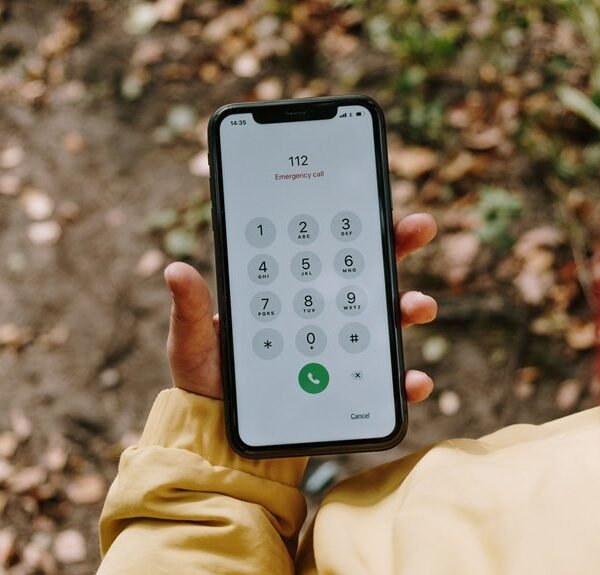
Practical steps to block or silence nuisance calls begin with a structured approach: identify the source of the calls, apply available device and carrier tools, and implement persistent filtering to reduce interruptions.
The method emphasizes awareness of misleading solicitations, notes scam indicators, and supports tracking legitimate calls while guarding against caller ID spoofing, enabling a calmer, freer communication environment.
Troubleshooting Call-Related Issues and Glitches
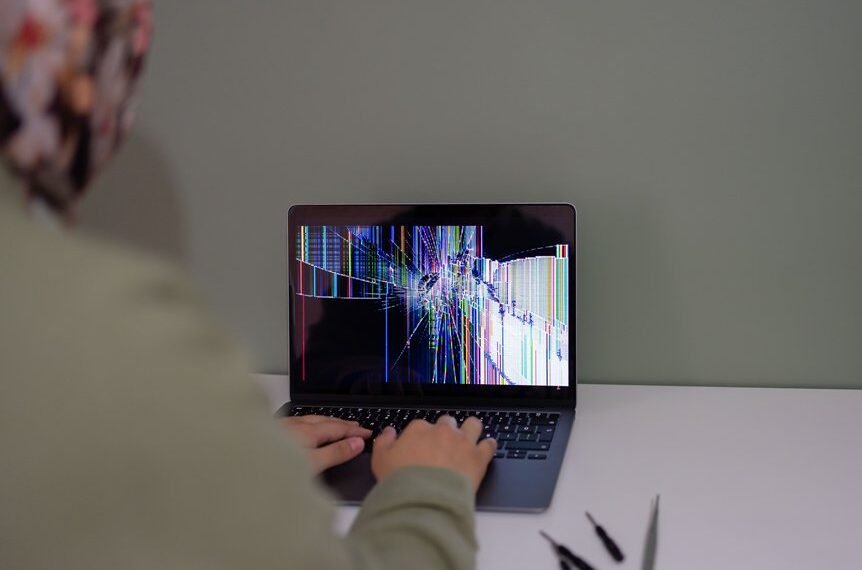
Troubleshooting call-related issues and glitches requires a methodical approach. The process begins with documenting symptoms and timing, then isolating variables to identify root causes. Practitioners observe saintly safeguards and monitor network stability, device firmware, and caller authentication. Rogue caller patterns are analyzed for anomalies, enabling targeted fixes. Steps are repeated, results recorded, and adjustments implemented until smooth, reliable communication is restored.
Frequently Asked Questions
Could This Number Be Spoofed by Scammers to Mimic Trusted Contacts?
Yes, the number could be spoofed to imitate trusted contacts. The system should implement spam filtering and careful call routing to reduce deception, preserve user autonomy, and guide users toward verification without alarm.
Are There Legal Implications for Recording Calls From This Number?
Yes, there are legal limitations and recording consent requirements that vary by jurisdiction; individuals should verify local laws before recording. Call spoofing and spoof verification concerns may affect admissibility and notice obligations in such recordings.
How Does Spam Filtering Differentiate This Number From Legitimate Ones?
Spam filtering differentiates this number from legitimate ones by analyzing call patterns and metadata; spoofing risks are weighed against signals from trusted contacts and known legitimate callers, while heuristics adjust thresholds to minimize nuisance for freedom-seeking users.
Can This Number Affect My Voicemail or Call Routing Settings?
Yes, it can affect voicemail and call routing. The system may flag London-on-new numbers, influencing spam filtering decisions, which in turn can alter call routing. Risks include number spoofing affecting voicemail access and message delivery.
What Privacy Risks Arise From Sharing This Number Online?
Privacy risks arise from sharing this number online, potentially leading to data exposure, spoofing risks, and caller authentication concerns. The detached observer notes precautions: minimize exposure, verify sources, and monitor unexpected contact, reducing personal data misuse and privacy breaches.
Conclusion
In sorting out 587-332-0012 concerns, one should verify legitimacy through independent sources, cross-check official records, and document inconsistencies. Safety-first blocking or carrier filtering can quiet nuisance calls while preserving legitimate contact. A practical anecdote: a quieting of two daily robocalls after enabling carrier filters felt like shading a window—the room stays bright, yet the glare is tempered. When issues persist, repeat checks, monitor networks, and adjust settings to deter spoofing and improve reliability.