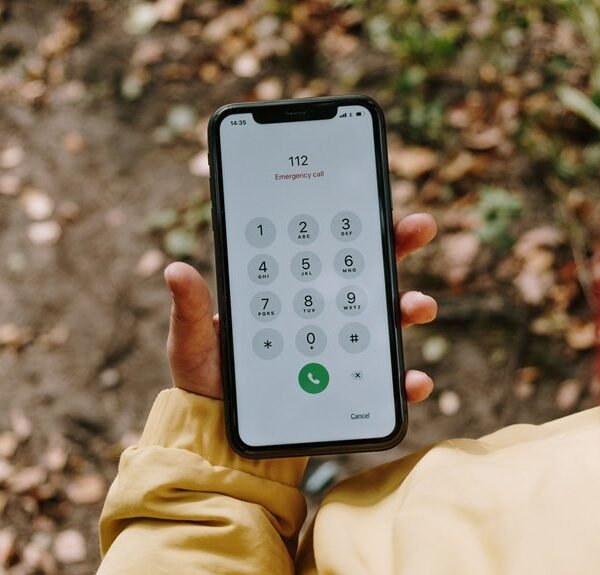
The issue around 980 232 9942 involves miscommunication, misdialed numbers, and gaps in call handling that enable spoofing, nuisance calls, and routing errors. Solutions require layered protections, clearer caller ID verification, and practical user education. By examining misdial triggers, refining routing paths, and tightening spam controls without blocking legitimate calls, a more transparent system can emerge. These approaches aim for privacy and autonomy, yet they hint at ongoing challenges that warrant closer examination.
What the 980 232 9942 Problem Actually Is
The 980 232 9942 problem refers to issues users experience when dialing or contacting this specific sequence, often revealing a broader pattern of miscommunication, misdialed numbers, or service limitations. In this view, the phenomenon is not a single flaw but a landscape of systemic friction. Confusing myths and privacy myths frame perceptions, while practical steps restore clarity, autonomy, and trust.
How to Stop Nuisance Calls and Spoofed IDs at the Source
One effective approach is to address nuisance calls and spoofed IDs at their source by implementing layered protections that combine network-level controls, device settings, and user education.
From a privacy-conscious stance, organizations should enforce caller-ID verification, block abusive numbers, and minimize data exposure.
Awareness of privacy implications and legal considerations helps balance security with legitimate communication needs and personal autonomy.
Fixing Misdialed Numbers and Call Routing Errors
A careful review of misdialed numbers and call routing errors reveals how small input mistakes or misconfigured pathways disrupt communication and frustrate users.
The discussion outlines practical misdial prevention steps, emphasizes call routing troubleshooting methods, and promotes spoofing source mitigation.
Compact strategies also cover spam filter tuning, proactive monitoring, and user education, enabling transparent, freedom-minded operators to maintain reliable, accessible connections.
Strengthening Spam Filters and Caller ID Reliability
Strengthening spam filters and caller ID reliability builds on disciplined misdial and routing practices by targeting the signals that reach end users.
The approach emphasizes enhanced spam filtering and systematic caller ID validation, reducing deceptive calls while preserving legitimate communication.
Frequently Asked Questions
How Do I Verify the Legitimacy of a Number Labeled 980 232 9942?
The number’s legitimacy cannot be assumed; verification methods include cross-checking with official directories and requesting corroborating details. Be aware of caller ID spoofing; do not rely on surface appearance alone for trust, especially for freedom-seeking individuals.
Can 980 232 9942 Be Associated With Identity Theft Risks?
Yes, the number could be linked to identity theft risks, and awareness is essential. Observing patterns, a cautious approach helps: identify signs, report suspicious activity, and protect personal data against phone scams while seeking trusted guidance.
What Legal Options Exist for Blocking Problematic Numbers?
The legal options for blocking problematic numbers include filing complaints with consumer protection agencies and requesting carrier call-blocking services, privacy rights remain paramount, and data sharing should be minimized; individuals seek autonomy while authorities pursue effective, enforceable remedies.
Do Carriers Offer Advanced Caller ID Authentication Features?
Yes, carriers offer advanced caller id authentication features. They implement methods like STIR/SHAKEN and network-level checks. The features vary by carrier, but may include call verification, spoofing alerts, and enhanced provenance indicators for greater user autonomy.
How Can I Report Persistent Spoofing to Authorities Effectively?
Reporting persistent spoofing should be directed through official reporting channels to authorities; gather evidence collection including call records, timestamps, and messages, and pursue identity theft prevention steps, while informing emergency response if imminent danger is detected.
Conclusion
Across the 980 232 9942 landscape, misdialing, misrouting, and spoofing stem from gaps between technology, policy, and user behavior. A layered approach—robust routing, refined spam controls, and transparent caller-ID verification—reduces harm while preserving legitimate access. Ongoing user education and clear blocking options empower individuals without sacrificing autonomy. As the adage goes, “an ounce of prevention is worth a pound of cure,” underscoring the value of proactive, privacy-respecting safeguards.