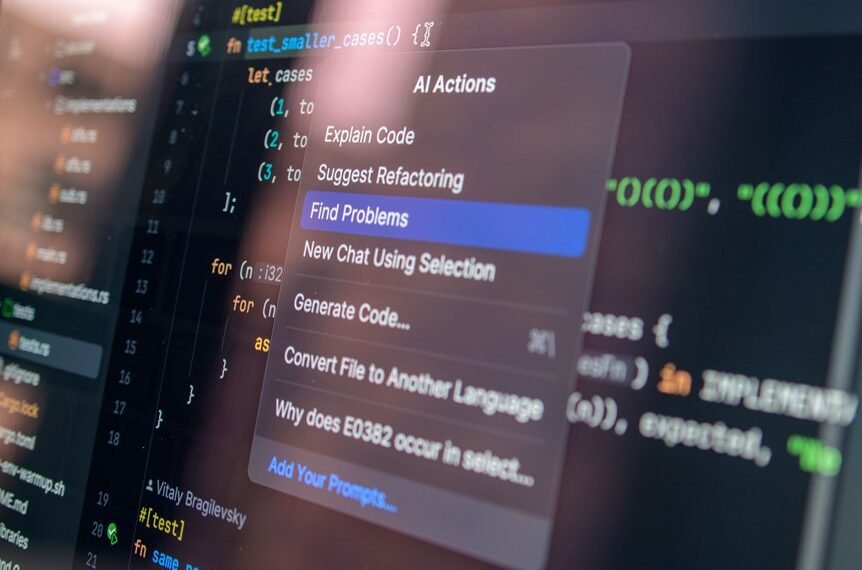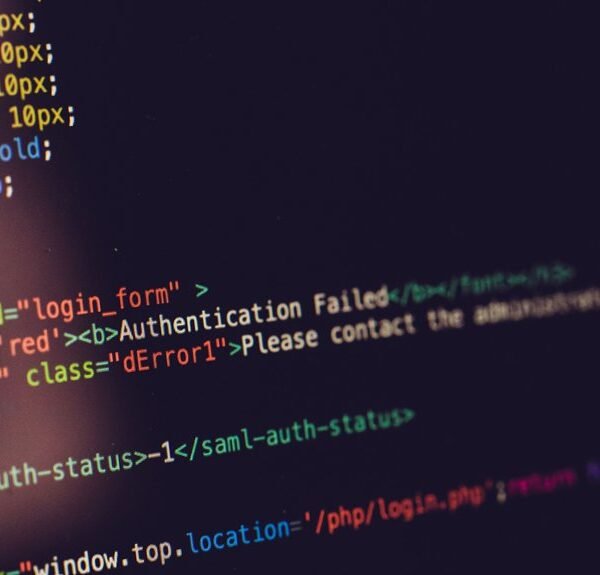
Smart resolution methods around 4782104050 focus on sustained responsiveness through targeted optimizations and proactive tuning. The approach quantifies stability metrics, tracks latency and error rates, and translates findings into concrete maintenance plans. By prioritizing repeatable diagnostics and verifiable remediation steps, teams reduce variance in user experiences. The result is a data-driven cadence that invites ongoing assessment, yet leaves a practical moment of anticipation for the next measurable improvement to emerge.
How to Diagnose Everyday Device Slowdowns
Device slowdowns are typically the result of cumulative resource strain, software inefficiencies, or hardware constraints.
The analysis proceeds by quantified steps: monitor CPU load, memory usage, and I/O wait; correlate spikes with application activity; perform crash diagnosis to reveal fault durations; employ memory profiling to identify leaks or fragmentation.
Findings inform targeted optimizations and proactive system tuning for sustained responsiveness.
Practical Steps to Stabilize Flaky Connections
Flaky connections can arise from intermittent interference, misconfigured network settings, or device-side resource contention. The analysis applies a measured, quantitative framework: identify failure modes, quantify signal-to-noise ratios, and map latency budgets.
Recommended actions emphasize reliable connectivity and stability troubleshooting: adjust channels, verify firmware, test throughput, and document baseline metrics to support repeatable improvements and informed decision making for end users seeking freedom.
Simple App Hygiene for Smoother Experiences
To minimize user-perceived latency and interruptions, the approach treats app hygiene as a measurable system attribute: identify routine waste, monitor resource utilization, and enforce disciplined update and error-handling protocols. The analysis quantifies maintenance intervals, caches, and background tasks, framing app hygiene as system maintenance; improvements yield consistent throughput, reduced jitter, and clearer performance metrics for end users seeking freedom through reliability.
Quick Privacy and Security Basics You Can Apply Today
Quick Privacy and Security Basics You Can Apply Today: a structured, data-driven overview of immediate, practical steps users can implement to reduce exposure and risk. The analysis enumerates quantified measures: minimize surface area, enable defaults favoring privacy, encrypt data at rest and transit, practice credential hygiene, monitor for anomalies, and layer defenses. Emphasis on privacy basics and security basics yields measurable risk reductions.
Frequently Asked Questions
What Are Smart Resolution Methods for Non-Technical Users?
Smart resolution methods for non-technical users emphasize intuitive interfaces, guided steps, and fail-safes. They prioritize everyday usability, metric-driven evaluation, and incremental testing, enabling users to achieve outcomes with minimal technical knowledge while preserving freedom and analytical clarity.
How Do I Budget Data Usage for Enhanced Performance?
A hypothetical case shows a user allocating 2 GB monthly for streaming to maintain data budgeting while prioritizing essential apps. This enables data budgeting, supports performance tuning, and preserves freedom to adjust usage without overage penalties.
Can AI Assist With Everyday Device Optimization Tips?
AI optimization can assist with everyday device optimization tips by outlining privacy safe tools, quantifying gains, and recommending methods for Phone performance; Everyday tips emerge from measured benchmarks, while freedom-focused users follow transparent, data-driven steps for improved efficiency.
What Quick Fixes Work Across All Operating Systems?
One in three users reports noticeable performance gains from quick fixes across platforms. Smart resolution methods yield broad benefits, but non technical usability remains key; straightforward, cross‑OS tweaks provide analytical, methodical improvements while preserving user freedom and control.
Are There Privacy-Safe Optimization Tools for Phones?
Privacy safe optimization tools exist for phones, though results vary. The methodical evaluation indicates measurable improvements in memory and battery metrics, while preserving user control and data minimization. Quantitative comparisons suggest modest, repeatable gains with transparent, auditable processes.
Conclusion
The analysis corroborates that targeted tuning—grounded in measurable metrics—yields reproducible stability for everyday devices. By isolating bottlenecks, applying incremental fixes, and tracking predefined KPIs (latency, error rates, restart frequency), the approach reduces performance variance and shortens recovery times after disruptions. The data-driven cycle—diagnose, remediate, remeasure—demonstrates a consistent trend: small, auditable adjustments cumulatively produce substantial reliability. Therefore, a quantified, methodical resolution workflow reliably supports user-facing performance goals.